

As classrooms become more digital, the stakes for cybersecurity in education have never been higher. Students and staff now rely heavily on connected devices for learning, teaching, and administration, making schools prime targets for ransomware attacks. When systems are locked down, entire school operations can grind to a halt, disrupting education and, in critical periods like exam season, deeply impacting students’ futures.
A recent report from Malwarebytes reveals a troubling trend: ransomware attacks on the education sector have surged by 70%, with K–12 schools seeing an alarming 92% increase. It’s clear that IT professionals must act decisively to safeguard their institutions from these growing threats.
Did You Know?
cyber attacks begin with phishing
ransom paid by a university to decrypt files
increase in ransomware attacks targeting the education sector
surge in attacks against K–12 schools in 2024
Why are Schools and Universities at Risk from Ransomware?
There are several reasons that cybercriminal target the education sector:
Lack of Budget for Security
Cybercriminals want an easy life, so they love targets that lack a budget for cybersecurity resources. Educational establishments are typically run on a tight budget, spending the money they do have to improve the education of young people. Cybersecurity staffing is often sacrificed. Cybercriminals can, therefore, take advantage of a lack of security oversight.
Lots of Rich Data
Personally identifiable information (PII) is valuable information that attackers sell on dark web marketplaces. Financial data is also valuable, especially validated credit cards linked to the owner’s PII. Currently, a validated credit card number and PII with a $5000 balance is $110 on darknet markets. This value is for a single card; imagine stealing 1000 records - the payout would be up to $120,000. Most databases store many more records, and cybercriminals can earn millions from one data breach.
Schools and universities have valuable personal and financial data. Universities also store intellectual property (IP) from researchers that could be worth millions to a competitor, pharmaceutical company, or healthcare organization. Other valuable data includes graduate dissertations, professor lecture material, exam results, and student credentials. With the right sophisticated breach of educational intellectual property, an attacker can earn more than a breach at an enterprise organization.
Digitally Transformed Education
The education sector has embraced the digitization of services and processes. E-learning tools, online collaboration tools like M365, and digital communications are the norm. However, security strategies often cannot keep up with this transformation.
Open Door Policy
Traditionally, universities are much more open about their environment than a standard enterprise organization. You can walk into a university campus with few restrictions, and gaining access to their registrar functions requires little information. You don’t need to authenticate into a university site to see class schedules, professors, and course materials. This open-door policy goes against the common cybersecurity mantra that users should have access to only the data necessary to perform a function.
Ransomware in Education: Examples
Tenafly Public Schools is a heavy user of technology in science and math classrooms and labs. An employee fell victim to a phishing email, which resulted in a ransomware infection. It’s unknown which ransomware variant was responsible for the attack, but most ransomware applications will scan all network resources to find files and encrypt as much critical data as possible.
Schools need computer systems for grading, testing, and delivering content, so ransomware can quickly cripple educational institutions. The Tenafly School District was forced to cancel exams, and teachers were forced to work with projectors to teach students. Grades were unavailable, and administrators could not process any data that required network resources.
As with many ransomware attacks, law enforcement is involved in the investigation. The FBI is currently investigating the Tenafly School District attack, but many attackers come from overseas, making indictment and arrest difficult. Investigations can take weeks.
The University of California, San Francisco (UCSF) School of Medicine recently experienced damage and disruption from a ransomware infection. The university reluctantly agreed to pay a ransom of $1.14 million to decrypt files locked by ransomware.
What Can Be Done to Help Schools, Districts, and Universities Against Ransomware
Universities and administrators responsible for safeguarding data must strike a balance between open access to research data and course information and protecting infrastructure from unauthorized access. Administrators can still create an open and welcoming environment for learning across all age groups and the Internet, but they must also implement a robust cybersecurity architecture, policies, and training necessary for data protection.
Cybersecurity Training
Everyone, from executives to staff to students, should understand how cybersecurity attackers operate. Increasingly, cybercriminals use human-centered cyberattacks, especially phishing and social engineering. Phishing is a technique that cybercriminals use to extract sensitive information like login credentials and financial details. Some phishing attacks contain malware-infested attachments. In other words, phishing is a deception technique to pass on malware and steal personal and sensitive information.
Cybersecurity awareness training is a fundamental part of a robust cybersecurity strategy. The training must be behavior-led and able to be tailored to roles and individuals. Students and staff are educated to understand the consequences of phishing and how to prevent social engineering from stealing data, including login credentials. Once an attacker has login credentials, they can access a student or staff member’s social security number, exam scores, schedules, financial data used to pay for services, and their home contact information.
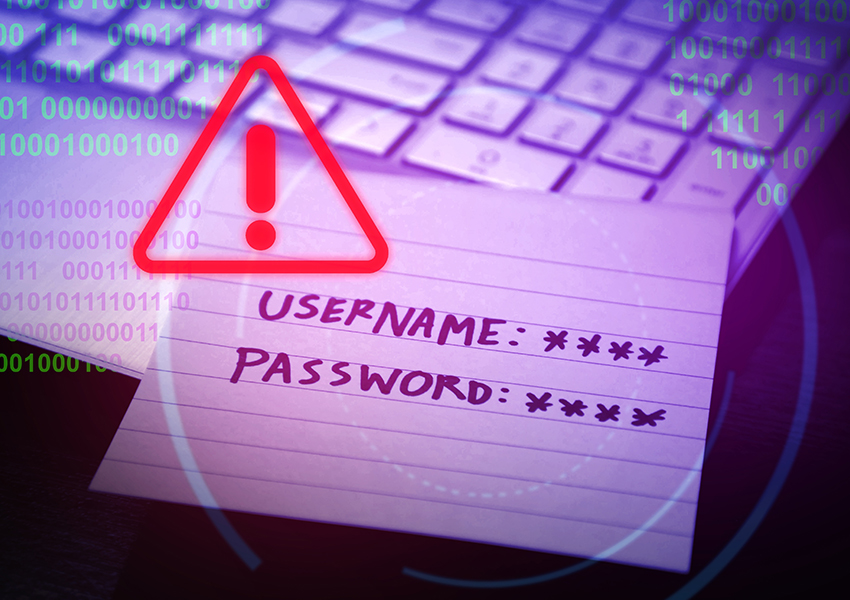
A real time cybersecurity training strategy has several components. The most important outcome is empowering staff and students with the tools to recognize an attack. Training involves interactive and real time training videos and other content. Phishing simulation tools are also an essential part of cybersecurity awareness. These tools ensure that staff and students recognize suspicious messages and know how to prevent incidents. As phishing is a popular method to deliver or initiate a ransomware infection, phishing simulation exercises are essential to cybersecurity awareness training.

Cybersecurity Policies
It’s difficult for administrators to enforce business-level policies to safeguard data in an open-door environment. Cybersecurity strategies provide a framework from which to work to reduce cybersecurity risks. Most universities and schools follow at least one regulatory framework. For example, schools are guided by CIPA (Children’s Internet Protection Act), therefore, cybersecurity policies must be compliant with relevant regulations.
Cloud Security
Administrators must configure a secure cloud infrastructure to safeguard data. Misconfigurations are common causes of exploits leading to data breaches and ransomware infection. For administrators unfamiliar with cloud configurations, consult help from experts to review any configurations and train on proper setup, deployment, provisioning, and maintenance.


Don’t Forget Email Security
Most threats begin with a simple email. It only takes one person to fall victim to a phishing attack. Containing threats after a compromise is much more difficult than stopping them before they access the environment. Training users to recognize phishing is beneficial, but human error is still a risk. Insider threats by accident are common in universities when administrators open malicious attachments or execute malware on their system connected to the network environment.
The rise in advanced tech innovations, like AI and MFA bypass techniques, challenges conventional email security solutions like security email gateways (SEGs). Advanced AI-enabled email security tools are designed to identify emerging threats. By employing natural language processing (NLP) and behavioral analytics, these vanguard solutions help prevent evasive and complex multi-part phishing attacks.
How TitanHQ Prevents Ransomware
Most ransomware starts with a phishing email; the most effective way to stop it is to block malicious email messages from reaching a user’s inbox. However, this shouldn’t be your only defense. Educating employees on how to identify a phishing email is also essential to prevent other forms of human error. Even with a limited budget, school districts and universities can still take the necessary steps to stop ransomware. TitanHQ’s advanced email security solutions and behavior-led security awareness training are designed with educational establishment In mind. Our cost-effective AI-enabled solutions are cloud-based and easy to configure and deploy.
Whether you’re a university, school, or school district, protecting your environment from ransomware should be a primary concern. Ransomware can cripple an educational establishment and impact education for weeks. With email cybersecurity that blocks malicious messages and employee education, you greatly reduce your risk of a ransomware incident.
Let us show you how TitanHQ can help prevent ransomware infection. Sign up for a demo today to get started with TitanHQ's advanced email security and behavior-led security awareness training.

Geraldine Hunt
- EMAIL PROTECTION
- EDUCATION
- SCHOOLS
Get a Demo or Trial Today
