

Lawyers are primary targets for threat actors. Many firms have insufficient cybersecurity infrastructure and policies. They also store sensitive data, making them attractive to attackers. Whether you’re a large legal organization or a small office, the data you store is valuable. Sophisticated ransomware attacks can put small businesses into bankruptcy. Without the right cybersecurity, you risk losing money and reputation if attackers steal your data.
Many legal professionals lack the necessary email security to block malicious messages. Email is the primary vector for attackers. Legal organizations require a means to safeguard users and client data. If a malicious message doesn’t reach its recipient, your risk of a cyber-attack drops greatly.
TitanHQ offers advanced content filtering and email security. It protects your organization from web-based and email-based attacks. Malicious emails are blocked, quarantined, and stored safely. This prevents users from downloading malware, falling for phishing attacks, or installing ransomware. The solution protects data and helps your organization stay compliant with the latest regulatory standards.
Necessary Cybersecurity for Law Firms to Protect from Common Threats
Law firms are prime targets due to the sensitive data they store and handle. More importantly, many lack strong enterprise security. Small law firm owners might think their business isn’t a target because they store little data. In reality, hackers often prefer small businesses with weak security over large enterprises with complex defenses. Deploying the right cybersecurity infrastructure requires expertise. Threat actors know that small businesses often lack the budget for a full security staff. Typically, small businesses opt for a managed service provider. This is far more effective than handling security on your own.

Did You Know?
SpamTitan's spam catch rate
a ransomware attack occurs
the average cost to manage spam per person without an email filter
of all email is spam
The Biggest Threat: Phishing and Social Engineering
Whether you’re a large enterprise or a solo attorney, phishing is your biggest threat. Every business uses email for communication, which opens the door for phishing. You could lose sensitive data, pay fraudulent invoices, or give away credentials. Phishing exploits human error and is highly effective for attackers.
Every phishing campaign has its own strategy. More sophisticated attacks target high-privilege users. Attackers research business hierarchies, names, business heads, stakeholders, and employees. This provides them with a more comprehensive approach to persuading recipients to take action. Actions may include clicking a malicious link, downloading malware, sending funds, or divulging sensitive information via email.
A phishing email typically attempts to create a sense of urgency. This urgency aims to intimidate the recipient and cause them to overlook procedures. For example, an attacker might email accounts receivable, claiming the CEO needs an invoice paid before a conference. This may seem obvious, but it can be convincing if the recipient is busy. The attacker may also be aware of specific names and have access to the CEO’s email address.
Even if you think you can spot a phishing email, evolving strategies remain effective. Phishing is the main attack vector behind many large data breaches today. Even tech-savvy users make mistakes, which can be devastating for small businesses. Ransomware attacks may bankrupt small firms through litigation, productivity loss, loss of reputation, and the disclosure of client data.
Social engineering is another main threat to law firms. Like phishing, it exploits human error and creates a sense of urgency. Social engineering is usually a phone call or a live interaction. Attackers use it to pressure users into skipping procedures such as verifying actions or getting management’s authorization.
Coordinated attacks can combine phishing and social engineering. Cyber-criminal groups might pretend to be clients and request a bank transfer. They may research targets and even use AI to mask their voice. It may take time for an attorney to realize they’ve been breached. This delay gives attackers more time to steal data.
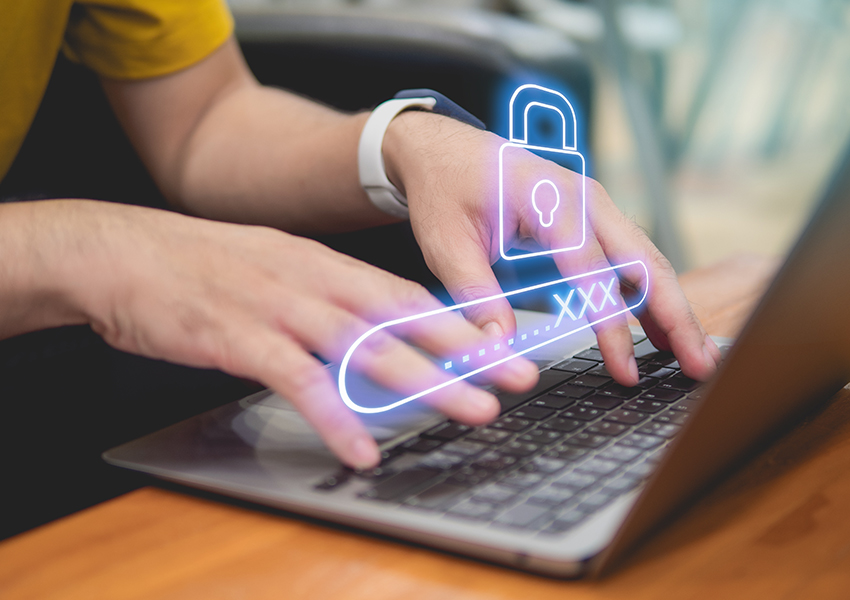
Malware and Ransomware, Silent Data Eavesdropping and Damage
Phishing often delivers malware or ransomware as a secondary payload. These can also be the primary threat, making breaches complex. Malware can silently collect data and send it to a third party. It may persist for months. Sophisticated malware can replicate itself and grant remote access to a threat actor, allowing them to control your workstation remotely.
Ransomware is the most damaging threat to law firms. Once inside, it scans for important files and encrypts them with a strong cipher. Without your data, you cannot represent clients. Lost files may interfere with important cases. Your only option is to restore from a backup or pay the ransom. Even if you pay, you may not get the key to decrypt your files. Law enforcement and security experts advise against paying, but some individuals have no choice. Keep effective backups. Store them so that malware or unauthorized users cannot access them.
What Legal Professionals Can Do to Protect Their Data
You don’t need expensive infrastructure to protect against phishing, social engineering, malware, and ransomware. Products like the TitanHQ suite of data protection software can perform many of the cybersecurity filtering functions without the expensive hardware. PhishTitan, SpamTitan, and WebTitan can run in the cloud. We’ve designed the products to work out-of-the-box with few configuration requirements. Because the products run in the cloud, business owners don’t need to have staff for maintenance and software updates.
Other products, such as EncryptTitan, encrypt data to protect it from eavesdropping. ArcTitan provides attorneys with a tool to create long-term archives that can be used in e-discovery during litigation. Administrators can set retention plans to ensure that backups comply with common government regulatory requirements, such as HIPAA, PCI DSS, and GDPR.
All our products and services can be used by managed service providers to support law firms and legal professionals who outsource their IT and cybersecurity needs. Our TitanHQ products enable managed service providers to establish cybersecurity and email filtering solutions that prevent attackers from exploiting user errors.
Protect your legal practice, see how TitanHQ defends attorneys and legal teams against malware, ransomware, and email threats. Get Started With TitanHQ Today

Geraldine Hunt
- EMAIL PROTECTION
- SMB
Get a Demo or Trial Today
