
Phishing and Social Engineering: The Cybersecurity Crisis Facing SMBs

Geraldine Hunt
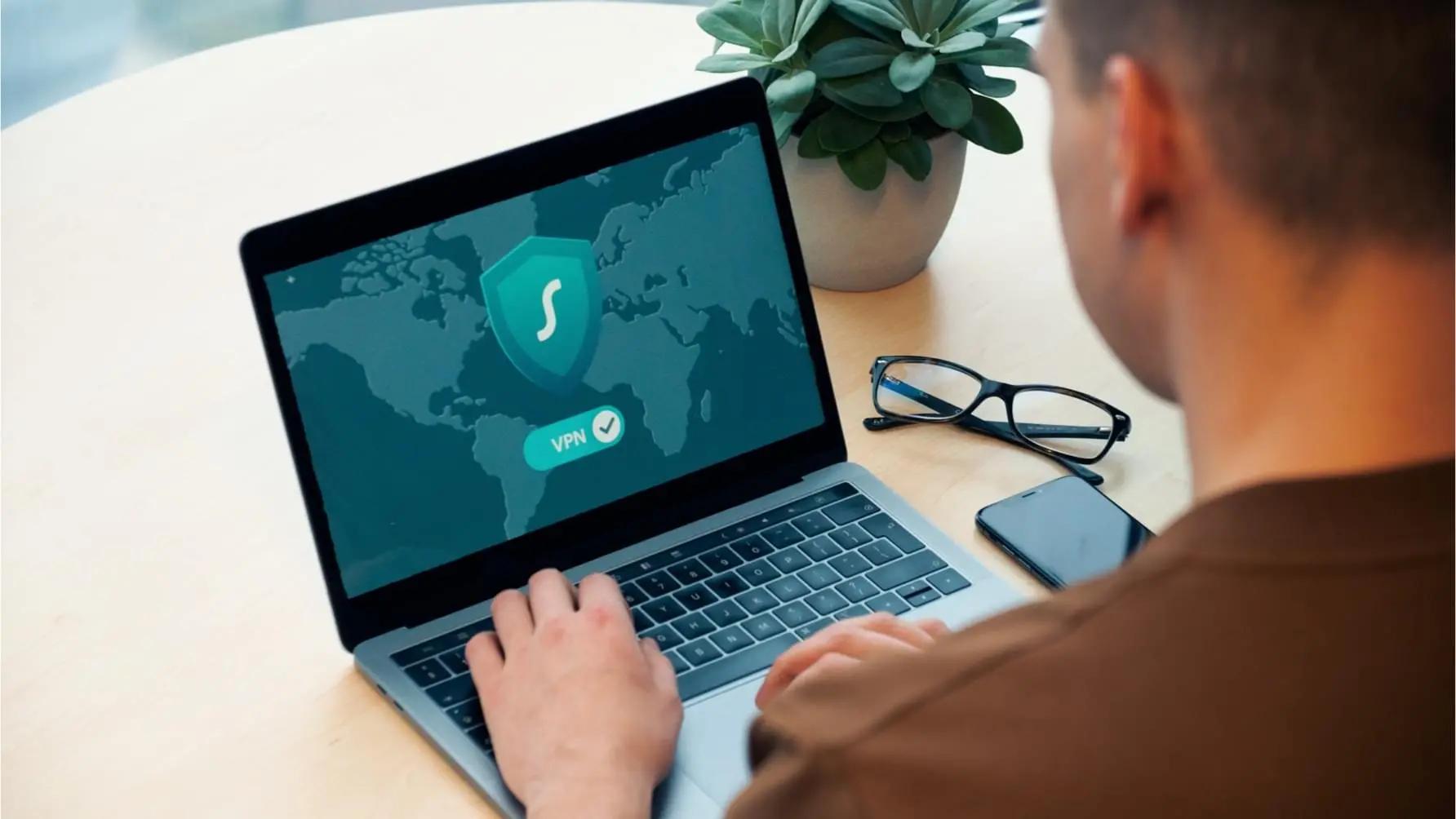
Phishing remains one of the most popular methods used by hacker organisations to compromise networks, with most phishing attacks being email-based threats that utilize fake domain names to deceive victims.
Phishing and social engineering remain among the most significant threats to small and mid-sized businesses. Today’s phishing attempts are more targeted and convincing than ever, often personalized and sometimes even driven by AI. Meanwhile, social engineering has evolved into a more subtle and psychological tactic, exploiting trust, urgency, and everyday digital habits.
Why SMBs Are Prime Cybercrime Targets
Because they often lack the robust defenses of large enterprises, SMBs are an easy target for cyberattacks.
- Lack of cybersecurity expertise: SMBs rarely have full-time security professionals or dedicated IT staff.
- Lower budgets: Cost constraints often lead to reliance on out-of-the-box security tools, which are not sufficient to stop modern threats.
- Supply chain positioning: SMBs are often trusted partners in larger ecosystems. A breach in one can provide a backdoor to enterprise customers.
- Data value: Despite their smaller size, SMBs handle significant amounts of valuable customer data, intellectual property, and financial records.
Businesses are now targeted by a new cyberattack approximately every 44 seconds, and over a quarter have suffered a breach in the past year. According to the recent TitanHQ ‘State of Email Security in 2025’ report by Osterman Research, 79% of the 200 SMB IT professionals surveyed reported experiencing at least one cybersecurity incident in the past 12 months, with half encountering between two and four different types of incidents.
The Evolution of Phishing
Gone are the days of the friendly Nigerian prince. Modern phishing attacks are technologically advanced and psychologically manipulative.
Types of Phishing Attacks: Phishing Emails
Phishing attacks come in various forms, each with its unique approach to deceiving victims:
- Spear Phishing: This highly targeted attack focuses on a specific individual or organization, using personal information to craft convincing and personalized messages.
- Whaling: Aimed at senior executives and high-ranking officials, whaling attacks use sophisticated and personalized messages to extract sensitive information.
- Smishing: This method involves sending fraudulent SMS messages to trick victims into revealing sensitive information or clicking on malicious links.
- Vishing: In vishing attacks, phishers use phone calls to impersonate trusted entities and coax victims into divulging sensitive information.
- Angler Phishing: This tactic leverages fake social media accounts that appear to belong to well-known organizations, tricking victims into revealing sensitive information.
- Clone Phishing: Cybercriminals replicate a legitimate email a user previously received and resend it with a malicious link or attachment. By using a familiar format and sender, the attack is more likely to succeed.
- Quishing (QR Code Phishing): QR code phishing attacks aim to steal credentials by redirecting victims to spoofed login pages of trusted services, such as Google Workspace or Microsoft 365.
- Barrel Phishing (Double Tap): The attacker first sends a benign message to build trust, then follows up with a malicious email. This staggered approach increases success rates by lowering suspicion.
How Social Engineering Exploits Human Behavior
Social engineering exploits human nature, trust, urgency, and a lack of SECURITY awareness. These attacks don’t rely on technical vulnerabilities; instead, they target the most susceptible part of any organization, its employees and people. Whether it’s an employee rushed into paying a fake invoice or a helpdesk worker tricked into resetting a password, social engineering works by manipulating natural human responses.
At its core, social engineering is the art of persuasion, convincing someone to take an action or provide information they wouldn’t typically disclose. Today, many major data breaches involve a social engineering component, often combined with advanced techniques to avoid detection and increase success.
Key tactics include:
- Impersonation of internal executives or IT staff
- Urgent financial requests with a tight deadline
- Requests for password resets or verification
- Multi-channel attacks combining email, SMS, and phone calls
The human element is involved in 74% of all breaches, according to Verizon’s 2024 Data Breach Investigations Report. Social engineering attacks exploit people’s instinct to follow authority and their genuine desire to be helpful. They often create a sense of urgency or fear, like the risk of legal trouble, losing a client, or failing to meet compliance, pressuring someone to act without thinking it through.
BEC: The Silent (and Costly) Threat
Business Email Compromise (BEC) is one of the most financially damaging types of cybercrime. It is a highly targeted form of social engineering where attackers impersonate trusted individuals within a business to steal money or sensitive information. It often begins with phishing or credential theft and ends with unauthorized financial transfers.
Key features of BEC:
- Targeted at financial departments or executives
- Often uses spoofed or compromised email accounts
- May include fake invoices, payroll changes, or bank transfers
- Utilizes trust and timing by striking when staff are travelling or at peak workloads
The FBI noted BEC as the second most costly cybercrime globally in 2024. According to research by IBM, the global average cost of a BEC attack is $4.67 million.
BEC attacks are complicated to detect for several reasons:
- The attacks are very targeted and extremely low in volume. Unlike mass phishing campaigns, which consist of millions of emails and rely on traditional email security defenses to identify common patterns, relying on these defenses to identify common patterns in a BEC attack consisting of several emails is doomed to fail.
- The email message used for a BEC attack doesn’t include weaponized links or malicious attachments that traditional email security defenses are programmed to detect. Both secure email gateways (SEGs) and Exchange Online Protection (EOP) in Microsoft 365 frequently classify BEC attacks as clean because they lack the telltale malicious signals that these solutions were designed to detect.
- If the BEC email originates from a compromised internal email account, it will appear to be coming from a trusted colleague or fellow employee, who may be working in a different location. Traditional email security defenses cannot consume login geolocation data, which provides critical identifying signals for detecting this type of BEC attack.
Successful BEC attacks impose immediate costs on organizations due to lost funds and resources. They also impose more significant reputational costs due to the signalling of poor security posture. Finally, they invite additional BEC attempts from other threat actor groups since the organization’s control posture has already demonstrated its weakness.
Did You Know?
cyber attacks begin with phishing
to seamlessly install PhishTitan
estimated global cybercrime cost
to stop & spot a phishing attack
The Rise of AI in Phishing and Social Engineering
The rapid growth of AI over recent years has made it easier for cybercriminals by allowing them to increase both the frequency and sophistication of their attacks easily:
- Content generation: Tools like ChatGPT are used to create grammatically perfect, contextually relevant phishing emails in seconds.
- Victim profiling: AI agents scrape social media, public documents, and data leaks to build detailed profiles of targets.
- Deepfakes: Audio and video deepfakes are now used to make scams appear more authentic.
- Bypassing traditional defenses: AI-driven phishing lacks the typical red flags (e.g., strange grammar, spoofed domains), making it difficult for conventional filters to detect.
These advances have amplified the threat posed by phishing and social engineering. Cybercriminals no longer need to spend time researching targets and crafting persuasive, targeted communications. They can outsource these steps to generative AI.
Where Traditional Defenses Fall Short
Most SMBs rely on tools like Exchange Online Protection (EOP) or Microsoft Defender. However, these are not enough:
- Standard SEGs (Secure Email Gateways) often classify BEC emails as 'clean’ due to a lack of links or malware
- MFA Bypass Tools now intercept and use one-time codes in real time
- Internal account compromise results in malicious messages from legitimate addresses
- Phishing-as-a-Service (PaaS) kits make it easy for anyone to launch advanced attacks. Phishing attacks launched from Phishing-as-a-Service (PhaaS) platforms are just as dangerous and often even more dangerous than those launched by skilled, individual attackers.
With easy access and powerful automation, SMBs now face a steady stream of polished, credible threats, not just basic scams. Traditional defenses aren’t enough; organizations must treat every email as a potential threat and invest in AI-powered email security and security awareness training to stay protected.
Even with robust technical controls in place, social engineering attacks mean it only takes one employee to trigger a costly breach.
The Multi-Layered Defense SMBs Need
SMBs must adopt a defense-in-depth strategy that combines complementary technologies and practices to close gaps and ensure broad protection. This will significantly increase the chances of detecting and stopping modern cyberattacks, especially phishing and BEC, before they cause real damage.
Your organization can gain the power to defend against threats from every conceivable angle with the help of TitanHQ. Our solutions allow you to select specific solutions or leverage the entire suite, ensuring a budget-friendly, holistic defense strategy that fits your unique needs
Here are the core components every SMB should consider:
AI-Powered Email Security
Modern phishing threats often evade traditional security filters by avoiding known signatures and malicious links. AI-enhanced email security provides intelligent, behavior-based detection to counter these tactics. Key capabilities include:
- Intent detection: Identifies manipulative or deceptive messaging based on language patterns and psychological cues.
- Natural Language Processing (NLP): Understands email context and tone to flag social engineering and impersonation attempts.
- Real-time analysis & remediation: Scans emails as they arrive and continuously after delivery, removing threats post-inbox if necessary.
- URL rewriting & time-of-click protection: Blocks malicious links, even if their status changes after initial delivery.

DNS-Based Content Filtering
Most phishing attacks ultimately direct victims to a fraudulent website to capture login credentials or deploy malware. DNS-level protection stops these threats before a page even loads. This matters for several reasons:
- Domain blocking at the source: Prevents browsers from resolving known malicious domains.
- Zero-touch protection: Filters access to phishing, malware, or scam websites without requiring endpoint intervention.
- Category-based filtering: Allows businesses to block entire content categories, reducing exposure to risky or inappropriate sites.
Continuous Security Awareness Training
Empowering employees with knowledge and practice can drastically reduce risk. Best practices include:
- Regular, tailored training: Sessions customized to job role and risk exposure.
- Phishing simulations: Realistic tests help reinforce vigilance and identify gaps in awareness.
- AI-driven personalization: Training content adapts based on user behavior and past performance for maximum effectiveness.

Zero-Day Threat Detection
Traditional antivirus and signature-based tools can't detect threats that haven’t been seen before. Machine learning and behavioral analytics step in to cover this gap, providing several core benefits:
- Pattern recognition: ML models analyze file behavior and network traffic to detect anomalies.
- Heuristic analysis: Flags suspicious activity even if it doesn’t match known malware.
- Proactive defense: Identifies threats during their earliest stages, before widespread damage occurs.
Behavioral Monitoring & Anomaly Detection
Cyberattacks often mimic legitimate user behavior. Behavioral security solutions help identify unusual activity patterns that suggest compromise. Features to look for include:
- User Behavior Analytics (UBA): Establishes a baseline for regular activity (e.g., typical login times, communication tone).
- Anomaly alerts: Triggers alarms when deviations from the norm are detected, such as an unexpected login from a new location or a sudden request to wire money.
- Insider threat detection: Helps spot compromised accounts or malicious insiders acting against the business.

Why Multi-Layered Protection Works
Attackers rely on finding a weak point. By layering technologies that protect users, endpoints, email, and web activity, SMBs can create a security posture that adapts to evolving threats. Defense-in-depth isn’t just a strategy for large enterprises. Thanks to increasingly accessible cloud-based tools, SMBs can now afford powerful protection at an affordable price, especially when working with a trusted Managed Service Provider (MSP).
MSPs Can Help SMBs Stay Secure
With phishing and social engineering being the most likely entry points, SMBs must prepare to protect against these threats. Many SMBs don’t know where to begin. Fortunately, Managed Service Providers (MSPs) are uniquely positioned to defend SMBs:
- Multi-tenant tools allow centralized management across clients.
- Augment native M365 protection with advanced solutions.
- Deliver scalable training programs and awareness simulations.
- Offer affordable bundled services that bring enterprise-grade security to smaller budgets.
Level Up Your Protection With PhishTitan
As phishing and social engineering threats become increasingly evasive, SMBs and MSPs require a cutting-edge solution that goes beyond simply filtering spam. TitanHQ’s PhishTitan is a next-gen anti-phishing and BEC protection platform that augments Microsoft 365 with advanced AI and machine learning capabilities.
With PhishTitan, you get:
- Zero-day threat protection: Detects and blocks never-before-seen phishing attacks using machine learning and behavioral analysis.
- URL rewriting & time-of-click protection: Prevents users from visiting malicious websites, even if links are weaponized post-delivery.
- Natural Language Processing (NLP): Analyzes message tone and content to identify impersonation, social engineering, and BEC attempts.
- Post-delivery remediation: Removes or quarantines malicious emails that bypass initial filters, even after they've reached inboxes.
- Behavioral baseline monitoring: Builds user profiles to detect anomalies in email communication patterns and stop attacks earlier.
If you're an MSP protecting multiple SMBs, PhishTitan delivers enterprise-grade protection without enterprise complexity.
Book your free demo today to see how PhishTitan keeps your clients safe.
Geraldine Hunt
- EMAIL PROTECTION
- SMB
Get a Demo or Trial Today
